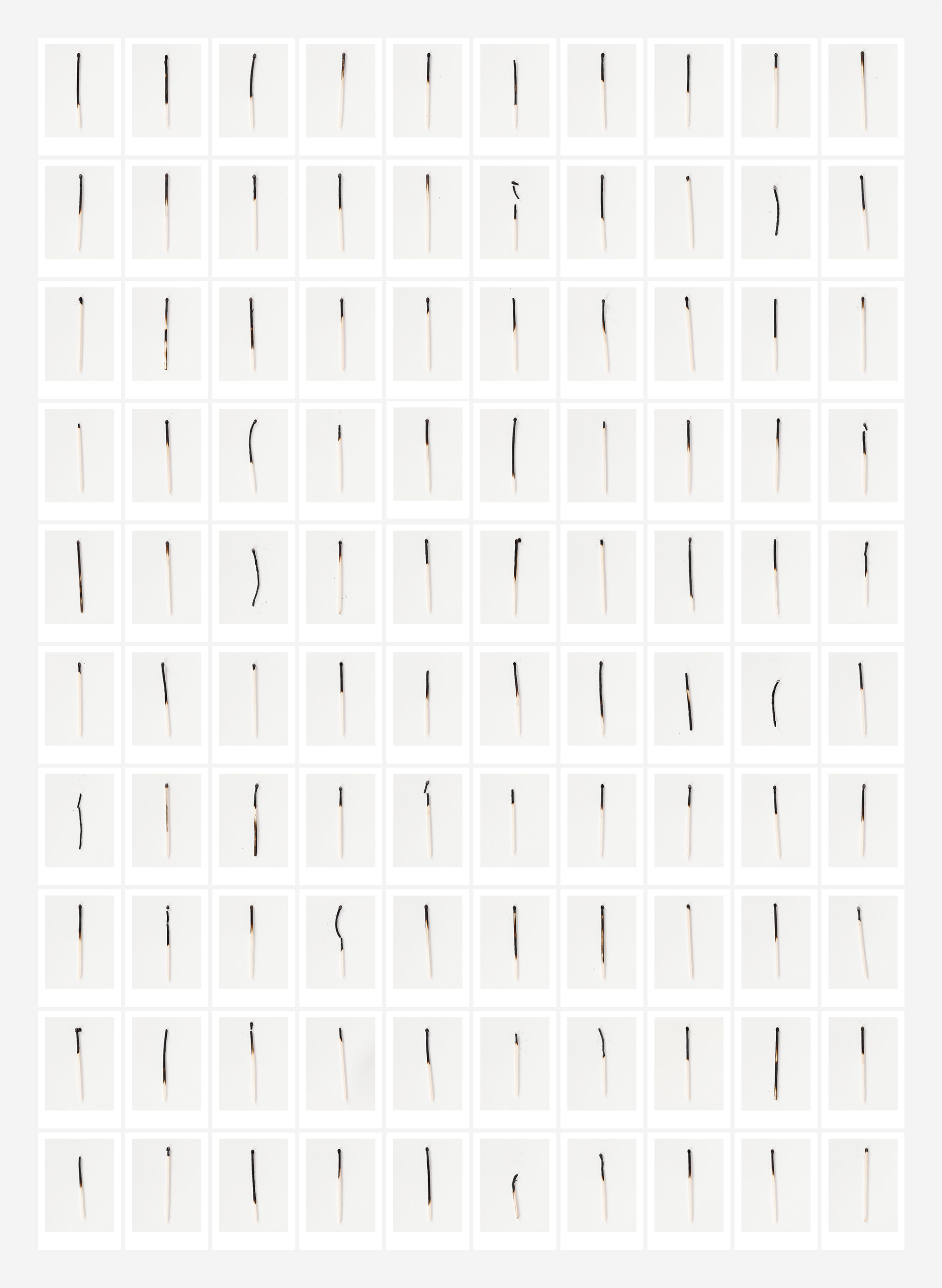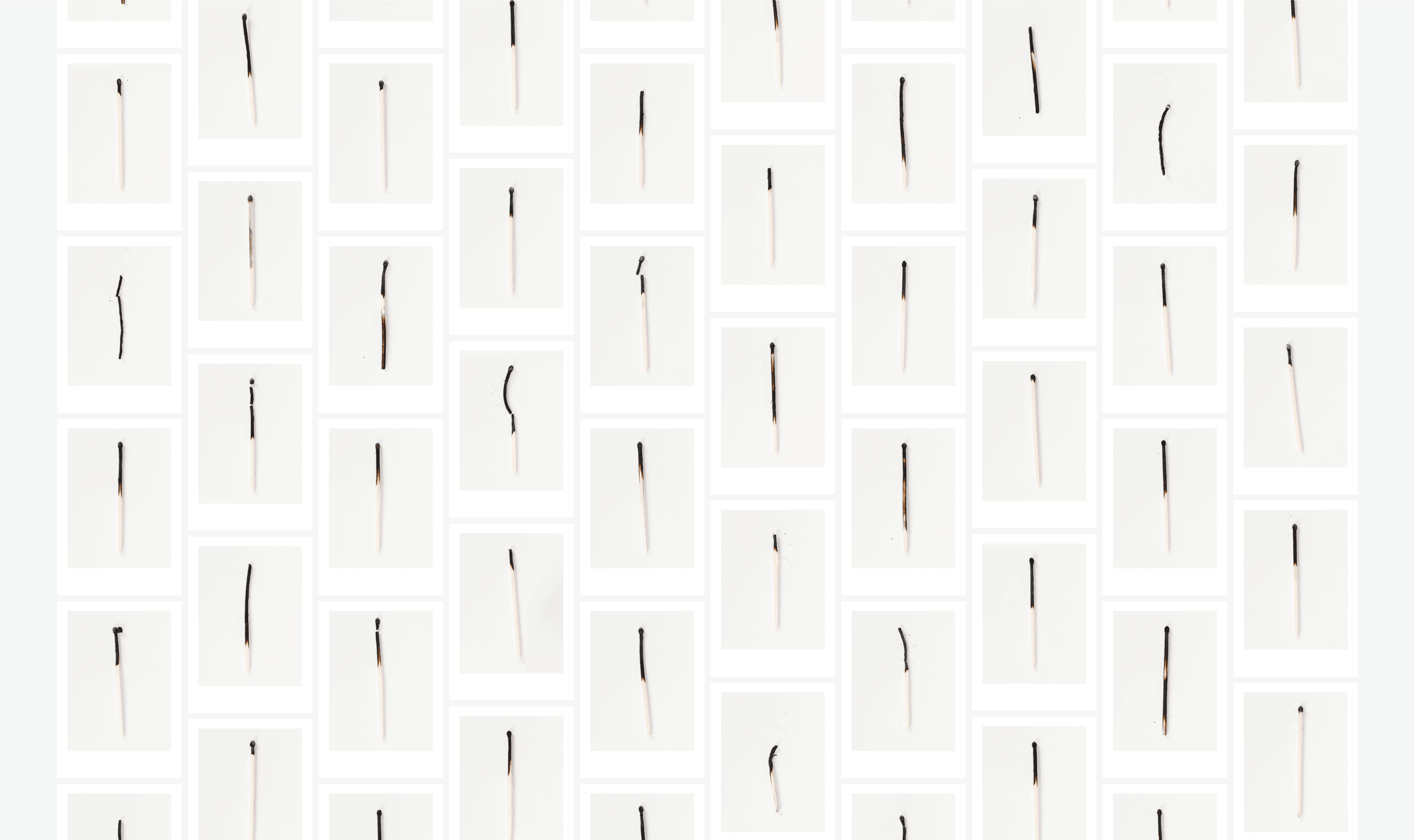
An immersive multimedia installation that explores intersectionality by translating both quantitative and qualitative data into a shared visual and emotional experience. Combining a physical installation of 610 burned matches with projected moving images, the work challenges conventional approaches to data visualisation by revealing the invisible narratives behind statistical information. The installation consists of three interconnected elements: a physical surface of burned matches representing individual lives, a dance performance expressing the emotional realities hidden within the data, and a slow-motion documentation of the burning process that symbolises transformation, loss, and resilience. Together, these layers invite audiences to reflect on the human stories that are often absent from data.
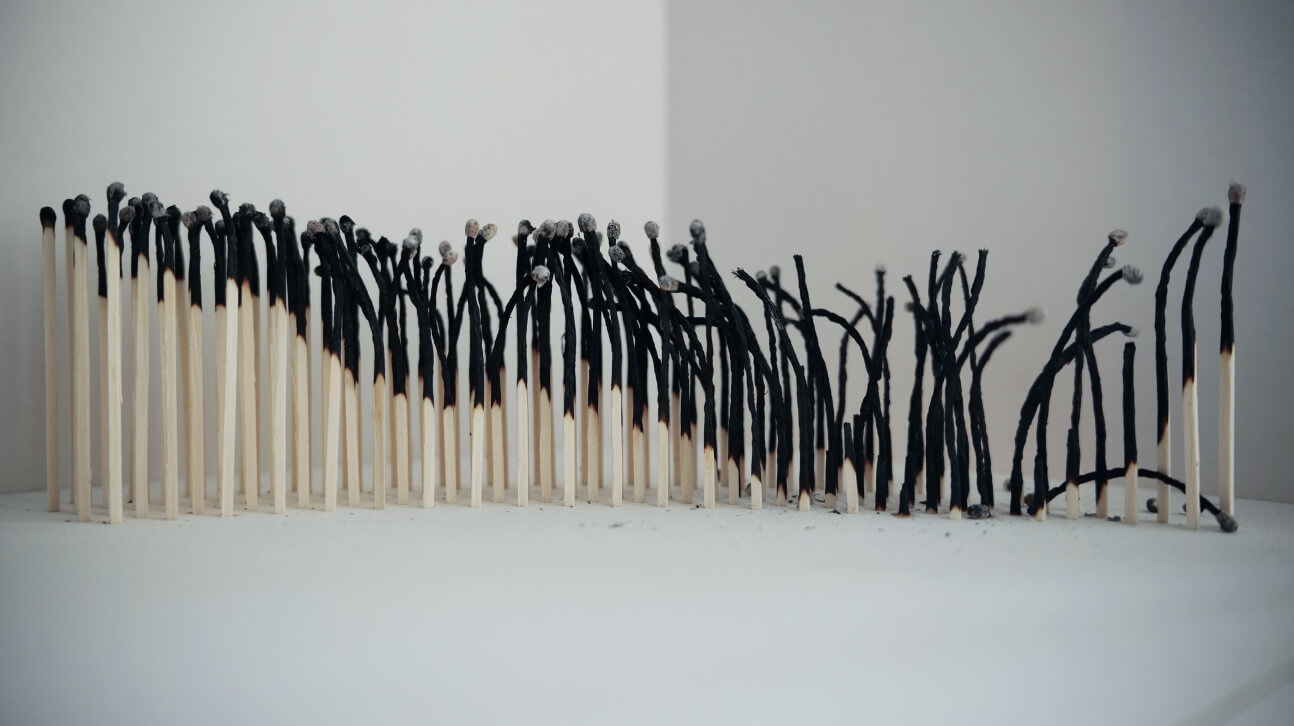
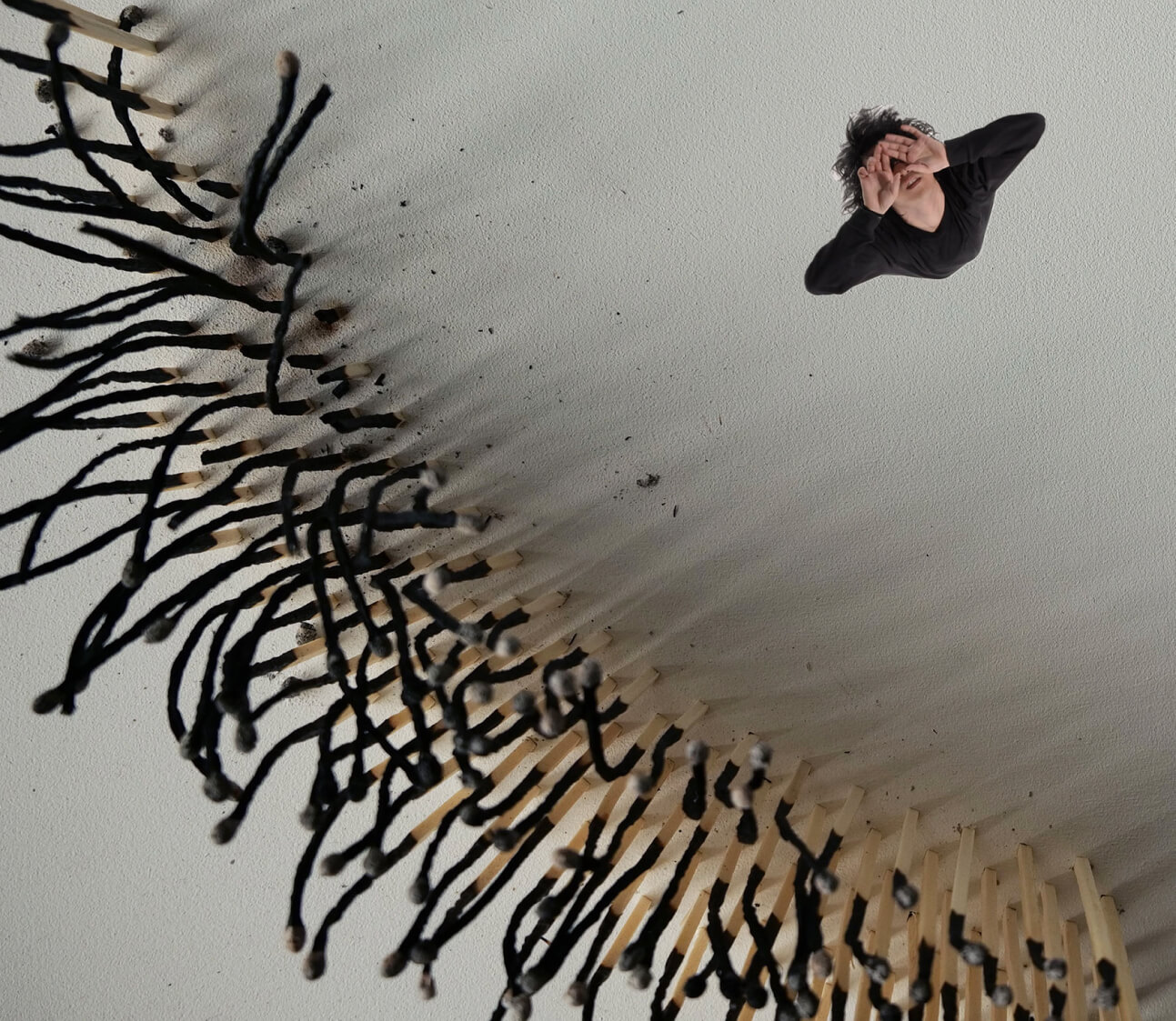
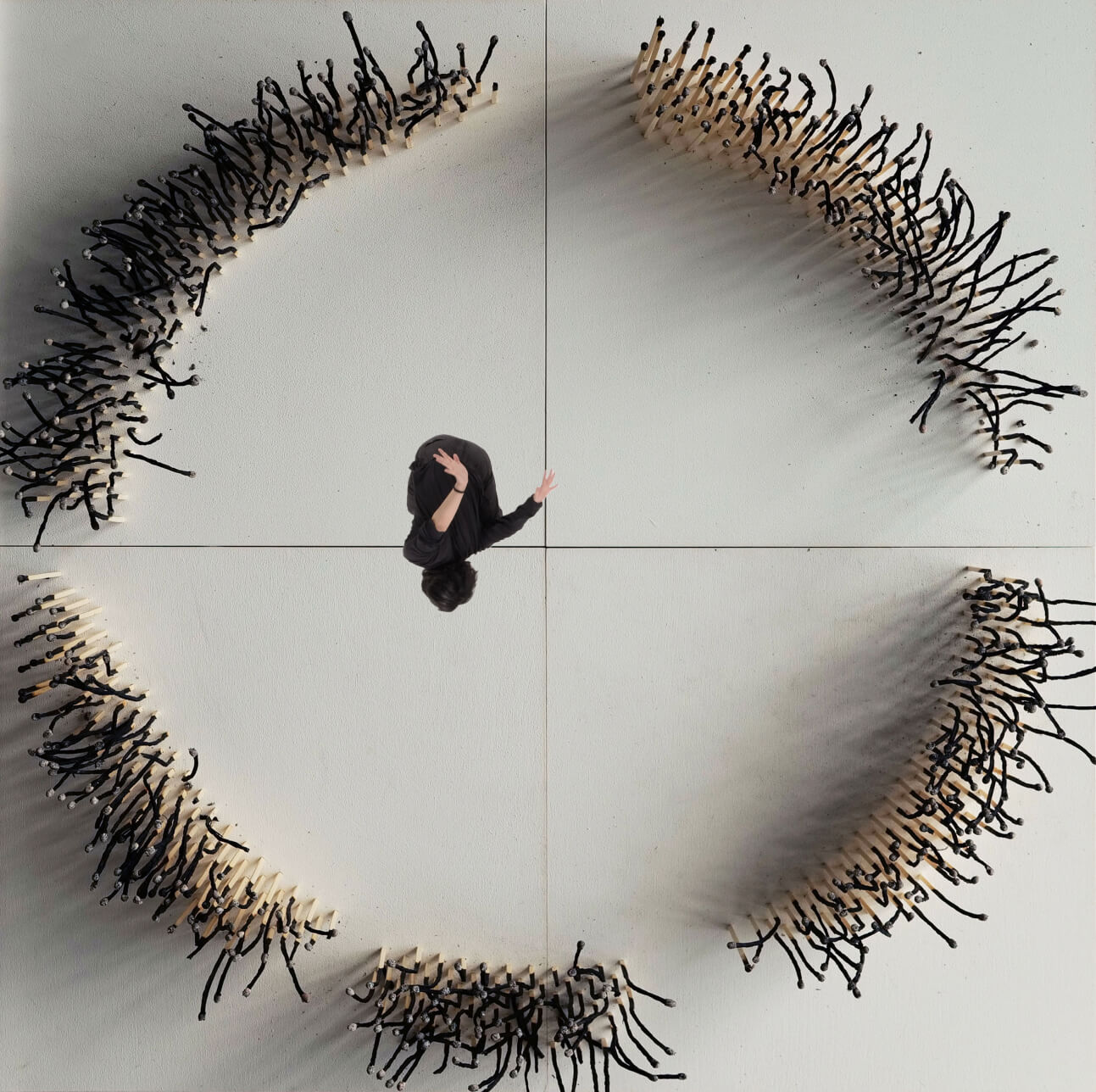
A white surface holding 610 individually burned matches. Each match represents one individual within the selected datasets, while their burned condition reflects experiences of loss, vulnerability, damage, and resilience. Arranged collectively, the matches transform numerical data into a tangible physical presence, allowing audiences to experience the scale of the data beyond statistics alone. The surface also functions as the projection screen for the moving image, enabling the projected footage to interact directly with the material remains of the burned matches.


The dance performance uses the movement of the human body as a metaphor for the emotional and physical struggles experienced by the individuals represented by the matches. Through gestures expressing confinement, fear, vulnerability, resistance, and persistence, the performer communicates qualitative experiences that cannot be represented through numbers alone. This recorded performance forms part of the projected footage displayed across the burned-match surface, connecting the embodied experience of intersectionality with the physical representation of each individual match.
Watch Footage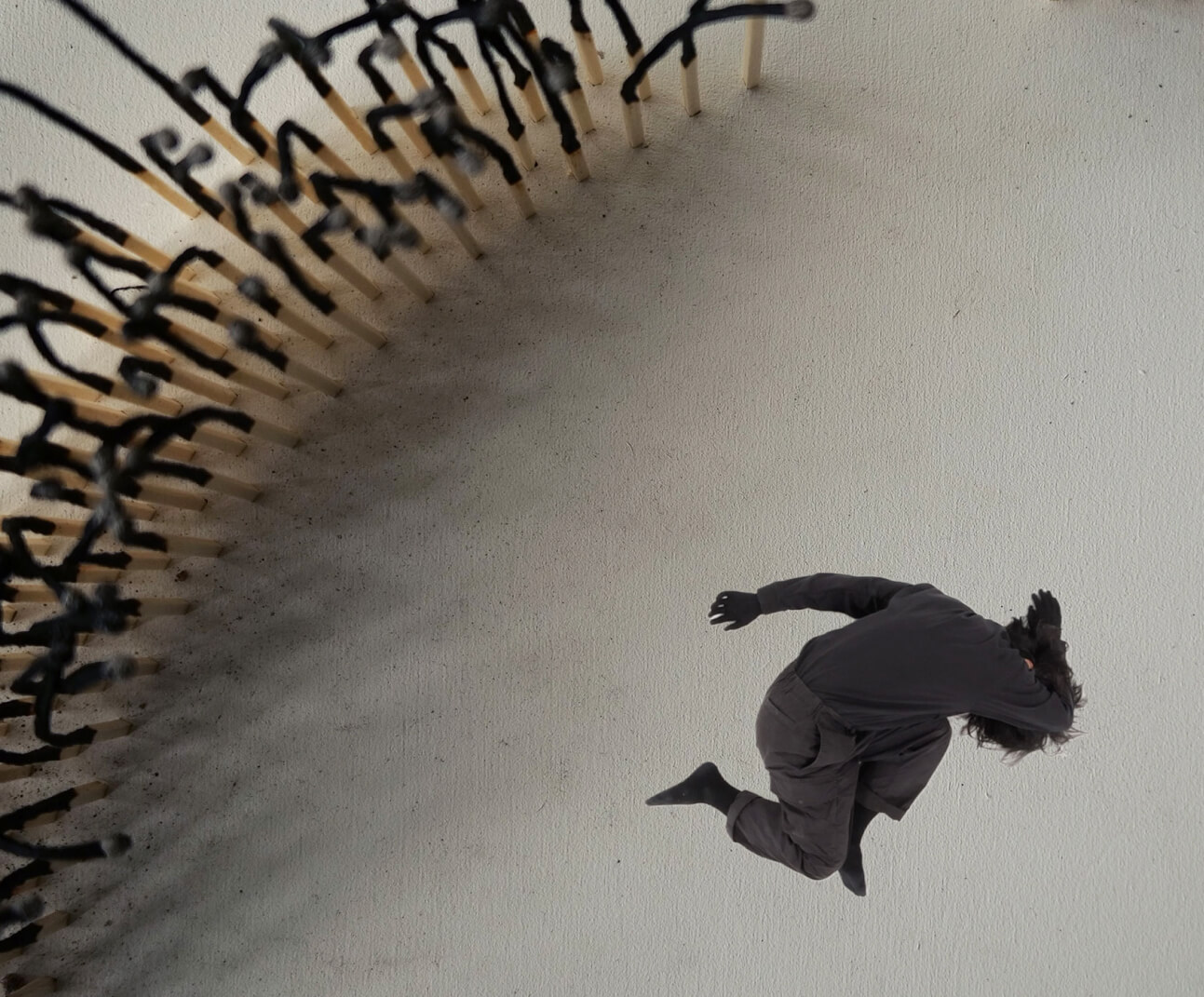
The final element documents the burning of the matches in slow motion as the fire gradually travels from one end of the installation to the other. This process visualises transformation, illustrating how each individual match changes through the act of burning while collectively forming a larger narrative. Fire becomes a symbol of both destruction and resilience—representing loss, violence, and erasure, while also suggesting persistence, renewal, and the possibility of generating new understanding. This footage is projected back onto the already burned-match installation, layering the moment of transformation over its physical aftermath and creating a dialogue between process, memory, and materiality.
Watch Footage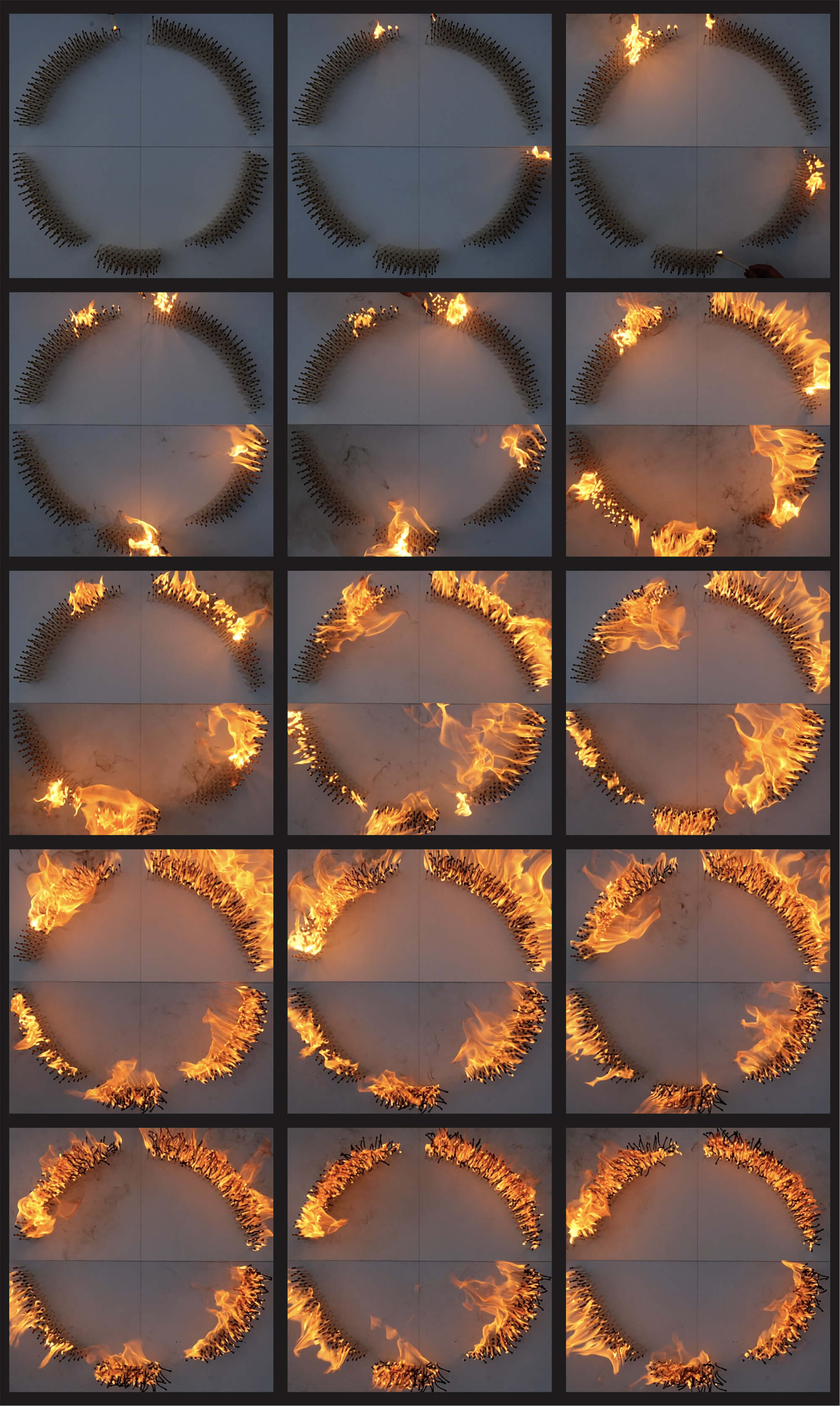
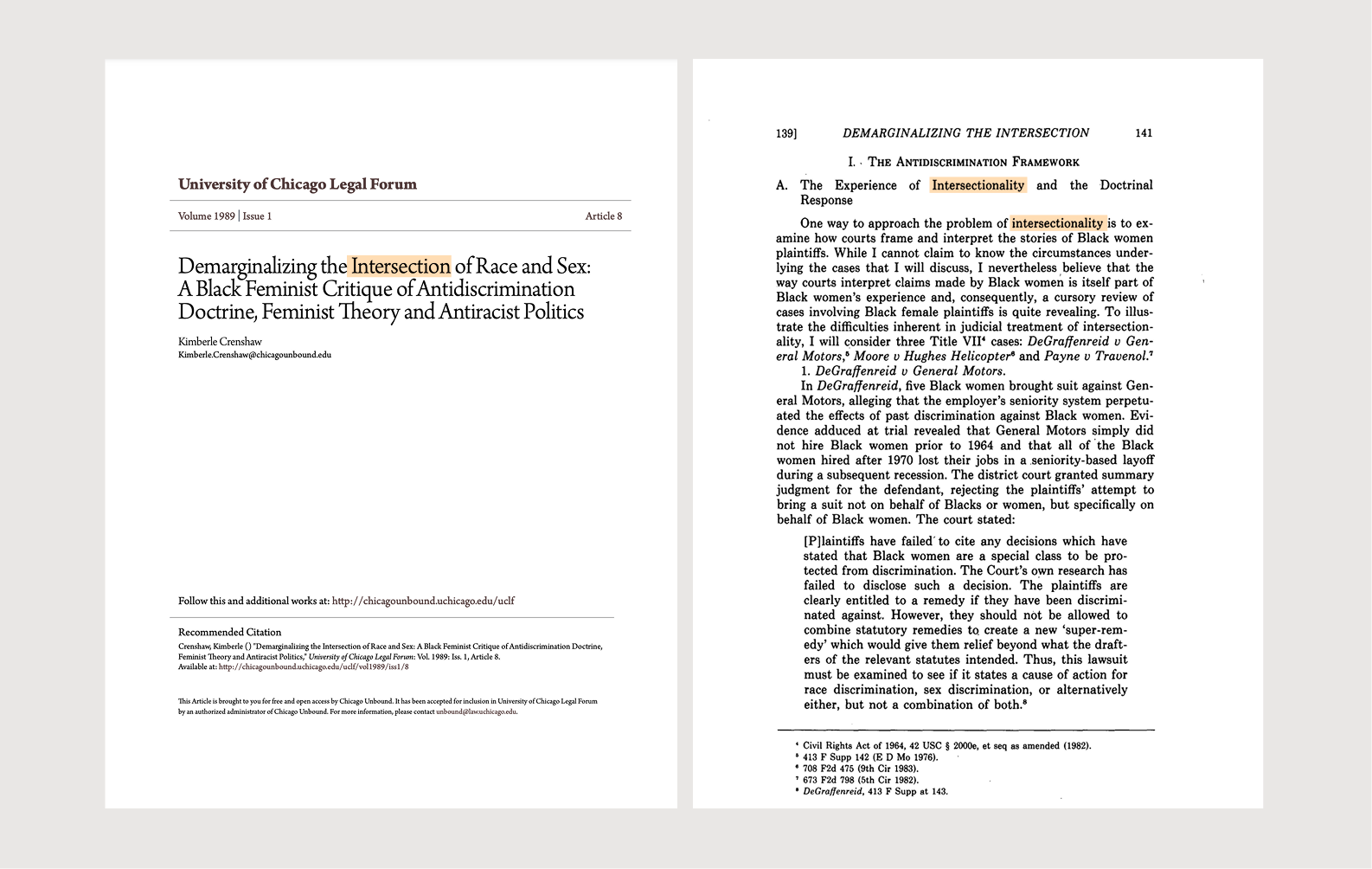
Intersectionality is a framework introduced by legal scholar Kimberlé Crenshaw to describe how multiple aspects of identity—such as gender, race, ethnicity, class, disability, sexuality, and other social characteristics—intersect to shape an individual's experiences of discrimination and privilege. Rather than viewing these identities independently, intersectionality recognises that systems of oppression overlap and interact, producing experiences that cannot be understood through a single category alone. This project adopts intersectionality as both its research foundation and conceptual lens, exploring how innovative forms of data visualisation can make these complex and often invisible experiences more visible, understandable, and empathetic.
As someone who embodies an intersectional identity—as an Asian, female, and first-generation immigrant living in Canada—this framework resonates deeply with me. My lived experiences have fostered a strong sense of empathy toward marginalised individuals, especially those whose compounded identities position them on the frontlines of discrimination and inequality. These individuals, often navigating complex challenges, live lives that are neither simple nor easy. My personal curiosity and empathy have driven me to learn more about their unique perspectives and struggles.
this project was inspired by the limitations of conventional data visualization in representing intersectionality. While quantitative data can communicate the scale of social issues, it often fails to convey the lived experiences, emotions, and overlapping systems of discrimination faced by individuals. Drawing from theories of intersectionality, data feminism, conceptual art, and data humanism, the research explored how multimedia installation could translate both quantitative and qualitative data into a more empathetic and human-centred form of data visualization.
The research combined literature review, data collection, visual experimentation, and iterative prototyping. Public datasets relating to intersectional discrimination were analyzed alongside qualitative narratives to understand both statistical patterns and personal experiences. Through a series of material experiments, including paper, burned matches, fire, projection, and dance, the project gradually developed a conceptual visual language that communicates not only numerical information but also the emotions, vulnerabilities, and resilience that often remain invisible within data. Rather than presenting facts alone, the installation encourages audiences to empathize with the individuals behind the statistics and reflect on the complexity of intersectional experiences.
Full research report available upon request

The project draws on five publicly available datasets, each representing a distinct story of intersectional discrimination. To create a common visual language, the data were normalised into a shared timeframe, resulting in a total of 610 individuals. Each individual is represented by a single burned match, transforming abstract statistics into a physical installation that highlights both the scale of the data and the unique human story behind every data point.
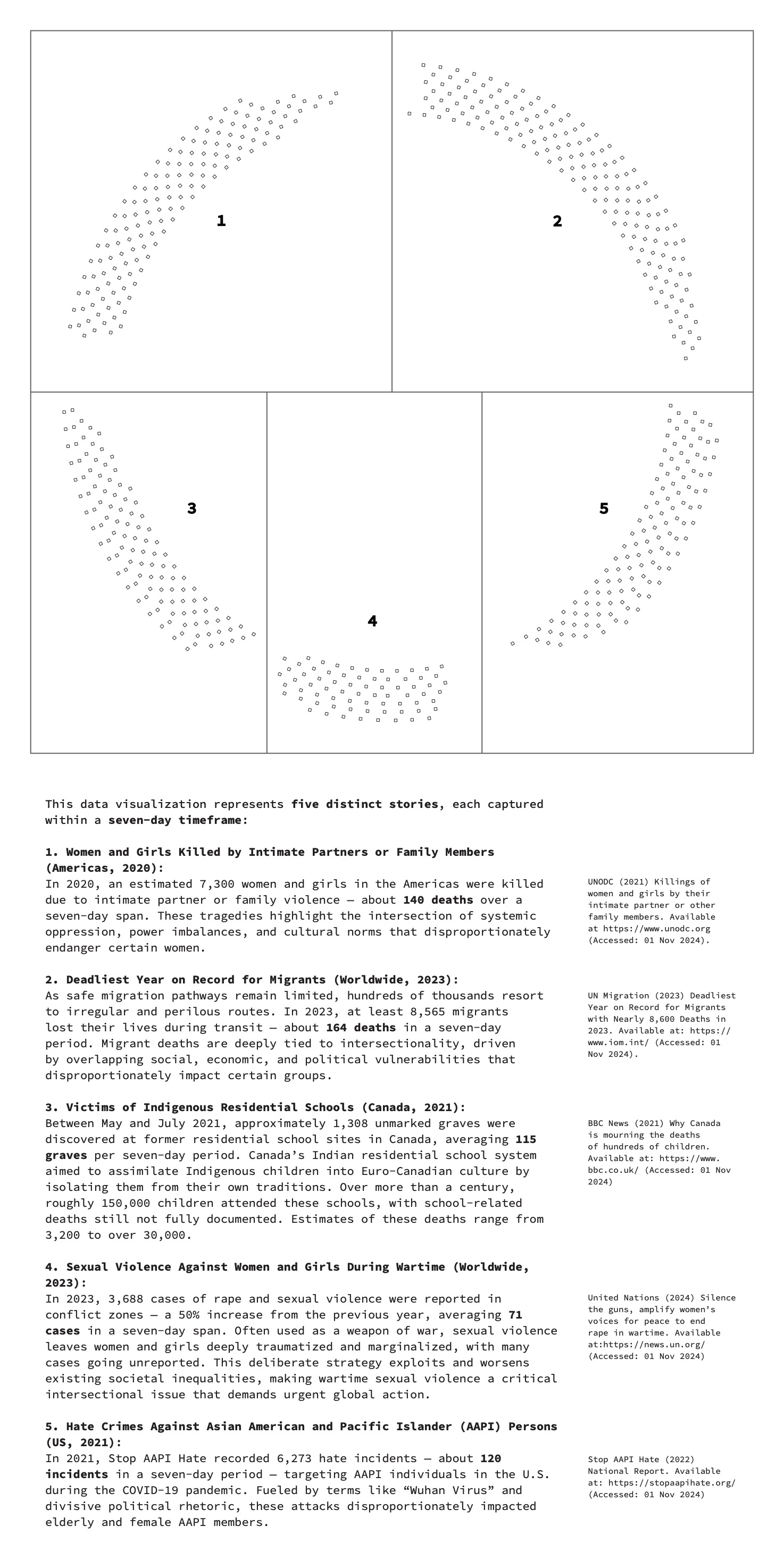

This project demonstrates how conceptual data visualisation can extend beyond presenting information to fostering empathy, reflection, and dialogue around intersectionality. By combining physical materials, moving image, and performance, the installation transforms quantitative and qualitative data into a shared human experience, encouraging audiences to engage with the stories behind the statistics. The project represents the culmination of extensive research, experimentation, and iterative design, resulting in a flexible methodology that can communicate complex social issues through an accessible and immersive visual language.
Looking forward, the project seeks opportunities for future exhibitions, collaborations, and interdisciplinary partnerships that continue exploring intersectionality through data and art. While the current installation is based on five datasets represented by 610 burned matches, the methodology is intentionally adaptable. The datasets can be updated, expanded, or replaced to respond to new themes, communities, or curatorial contexts while maintaining the project's conceptual framework. Future iterations could explore topics such as migration and immigration, disability, housing inequality, climate justice, Indigenous experiences, LGBTQ+ communities, or other intersectional narratives that remain underrepresented. Through continued research and collaboration, the project aims to evolve into an ongoing platform for visualising invisible stories and generating meaningful conversations around representation, equity, and social justice.